General News
8 October, 2025
Tax talks with vital voices are needed
By CARLY NOBLE I AM concerned by the Federal Treasurer’s economic reform roundtable discussions which occurred recently. It lacked inclusivity and diversity of perspectives, particularly from lower-income Australians and local government. Every...
By CARLY NOBLE
I AM concerned by the Federal Treasurer’s economic reform roundtable discussions which occurred recently.
It lacked inclusivity and diversity of perspectives, particularly from lower-income Australians and local government.
Every local government council around Australia advocates for the voices of small businesses and local industries within their communities, helping to drive regional innovation through partnerships and place-based strategies.
This omission risks creating policies that are disconnected from local realities and implementing challenges.
We need more inclusive, equitable, and locally grounded economic policymaking if Australia is to remain competitive with overseas markets.
More emphasis on productivity, business resilience, and budget sustainability is needed.
If national economic reforms focus primarily on large corporations or capital-intensive solutions (like AI), local governments may struggle to retain talent, attract investment, and support inclusive economic growth in their communities.
The Federal Government must clarify who will be included or excluded from national economic reform discussions in the future. Polices must reflect local realities, especially in regional or disadvantaged communities.
Without it, every local government risks missing out on opportunities to leverage their “grassroots and/or boots-on-the-ground knowledge” in areas like housing, asset infrastructure, and social services.
Without a seat at the table, they may be expected to implement or respond to national policies such as the housing crisis with little or no support.
Investor-driven purchases, vacant homes and planning permits may not be acted upon.
Obtaining adequate funding or support could become a long-term issue and implementing housing affordability measures may continue.
Unfortunately, the current proposal doesn’t appear to address existing local planning bottlenecks or land use issues.
This lack of “local government” input and/or investment is a real concern. Subsidies are currently inflating prices rather than addressing root causes. More discussion is needed.
Without it, it will place increased pressure on local infrastructure assets such as roads and public transport.
I was also surprised to learn that the Treasurer excluded tax reform from the agenda, despite its central role in addressing inequality, funding public services and ensuring fair contributions from high-income earners and corporations.
Furthermore, the Treasurer proposed reforms to the Environment Protection and Biodiversity Conservation Act surrounding environmental legislation and infrastructure funding models but does not explain how this will occur.
Without further information, it could undermine local planning authority if federal reforms override local environmental protections and shift existing costs such as road user charges onto local governments without addressing emissions or sustainability goals.
While the recent roundtable discussion was dominated by “the big end of town”, it failed to include vital voices from local governments, community sectors, and those most affected by economic inequality.
Opportunities for improvements do exist but must focus on “Made in Australia” themes, including design and marketing.
Since the federal election on May 3, the Government has failed to champion the voices of the people in the manner promised at the election.
Clearly, they do not value every voice as they once said they would. Actions such as this could erode or disconnected public trust in federal institutions, further fuelling political disengagement, or increase support for alternative parties and movements, who strongly advocate for equity and inclusion.
Moving forward, our Federal Government must invest in diverse, place-based economic strategies if we are to survive.
Without it, Australia risks becoming less competitive globally.
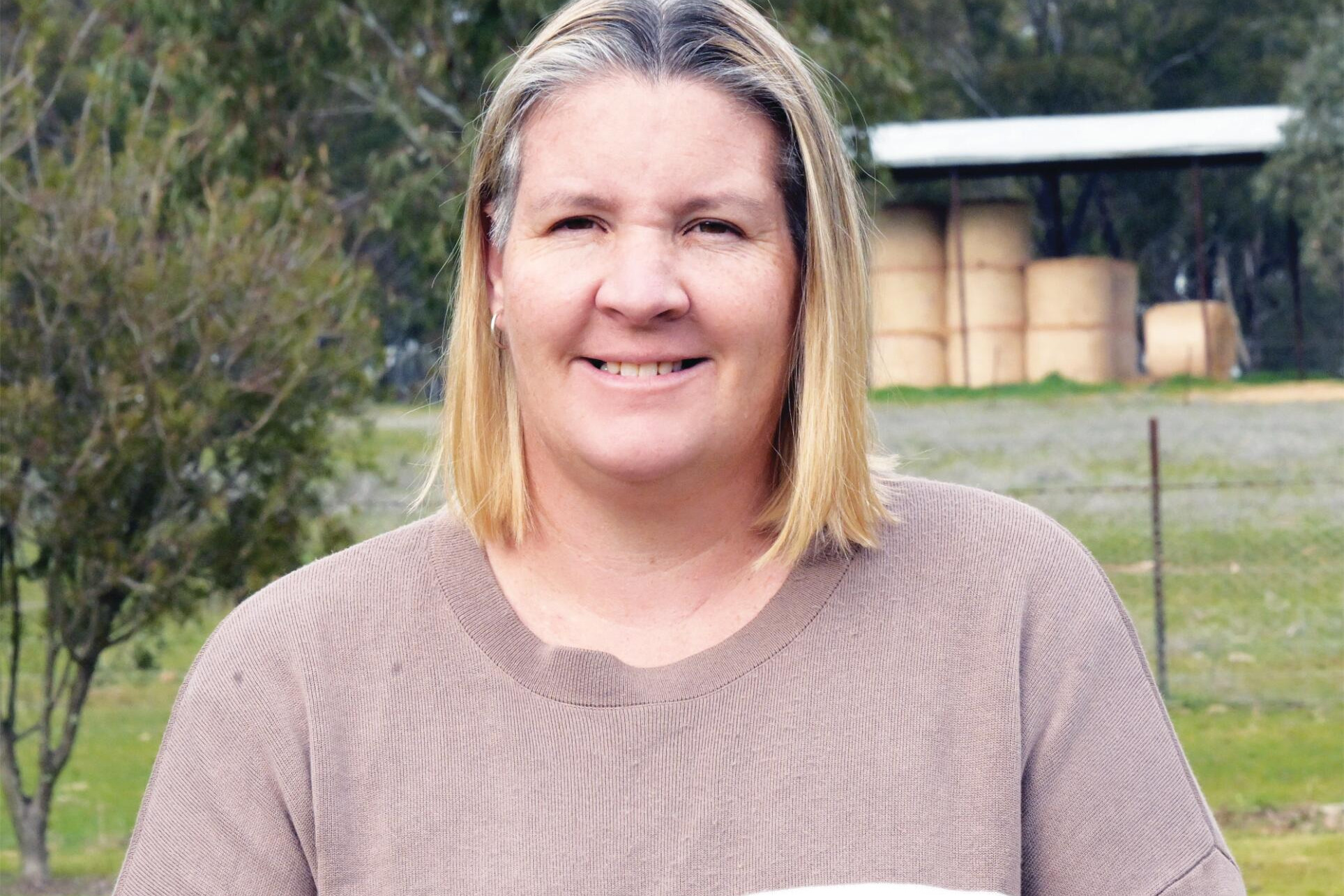
Carly Noble is a Loddon Herald reader from Arnold