Politics & Council
30 March, 2026
Shire has ‘benefit ready’ renewable project strategy
NINE regional councils want to maximise benefits and minimise community impacts of State Government-approved renewable energy projects.
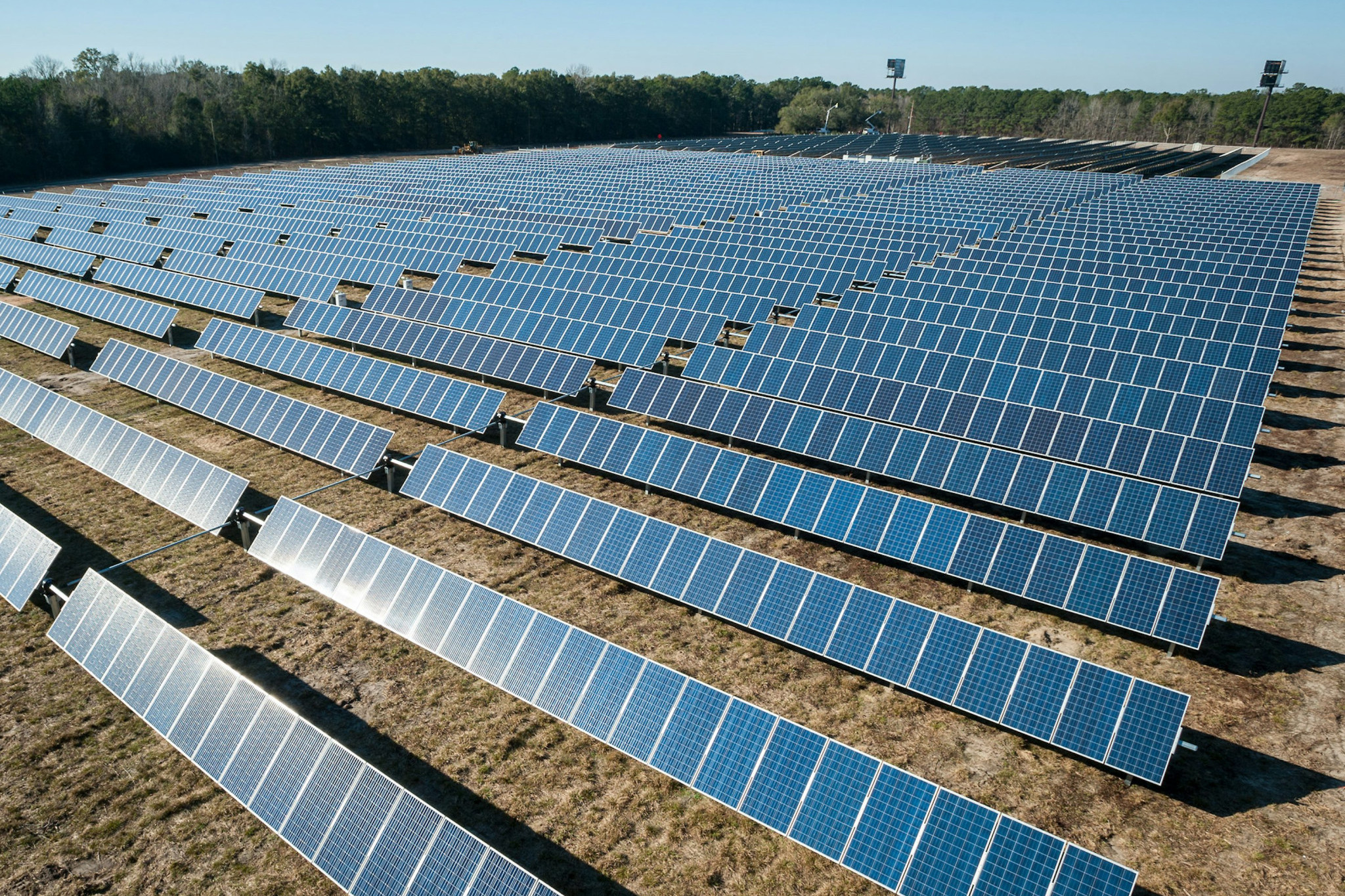
Loddon Shire CEO Lincoln Fitzgerald told councillors at their monthly meeting the North-Western Victoria Energy and Mining Impact and Readiness Strategy would have councils “prepared and ready”.
But while other councils have started endorsing the strategy, Loddon has stopped short of total backing for the plan.
Cr Gavan Holt amended Mr Fitzgerald’s recommendation to only note the document.
He said the strategy was neither supporting or opposing renewable energy and mining projects in the shire.
“We do recognise a divergence of opinion in relation to these projects ... potentially being rolled out,” he said.
“What we are doing is preparing ourselves so as to produce the best outcomes for Loddon communities.”
“Ensuring we are ready for when these projects commence, proponents are also ready to deal with possible negative outcomes.”
Cr David Weaver said: “As a council, we don’t have a say if these projects go ahead but we must advocate for the best outcomes for our communities.”
Cr Nick Angelo said he was against the imposition of renewable energy projects on rural communities by the State and Federal Governments.
Mr Fitzgerald said the strategy was an independent analysis of the potential impacts from $27.7 billion in planned transmission, renewable energy and mining projects across nine north-western Victorian councils.
The study area covers Buloke, Gannawarra, Hindmarsh, Horsham, Loddon, Northern Grampians, Swan Hill, West Wimmera and Yarriambiack.
“Collectively, these municipalities cover 58,503 square kilometres - approximately 26 per cent of Victoria - and represent a regional population of 93,100 residents, supporting around 42,300 jobs across the study area,” he said.
“The strategy identifies the potential scale of renewable energy infrastructure and mining across the study area and identifies the significant workforce demands including 9100 construction jobs and 2300 ongoing operational roles, alongside critical challenges such as severe housing shortages, labour market constraints, infrastructure pressures and potential impacts on the region’s agricultural sector.
“The strategy equips council with the evidence base necessary to assess mining and renewable energy projects comprehensively, advocate effectively for state and federal funding to address readiness gaps, coordinate with regional partners, and engage meaningfully with the community about potential changes.”
Mr Fitzgerald said critical challenges identified in the study were labour shortages, housing, infrastructure pressure, agricultural impacts, community readiness and capacity of councils with low rate bases and resource constraints limit ability to assess and respond to major projects.
He said the strategy would help councils “engage meaningfully with communities about potential changes, impacts, and opportunities using credible regional analysis rather than speculation”.
The strategy was funded by VicGrid and the nine councils.