General News
8 February, 2026
‘LIMITED LIFE’ SCAR TREE ALTERNATIVE LOBBED AS GOVERNMENT STARTS EVIDENCE CHASE
THE best Aboriginal scar trees should be removed from Lake Boort and preserved at accessible town locations.
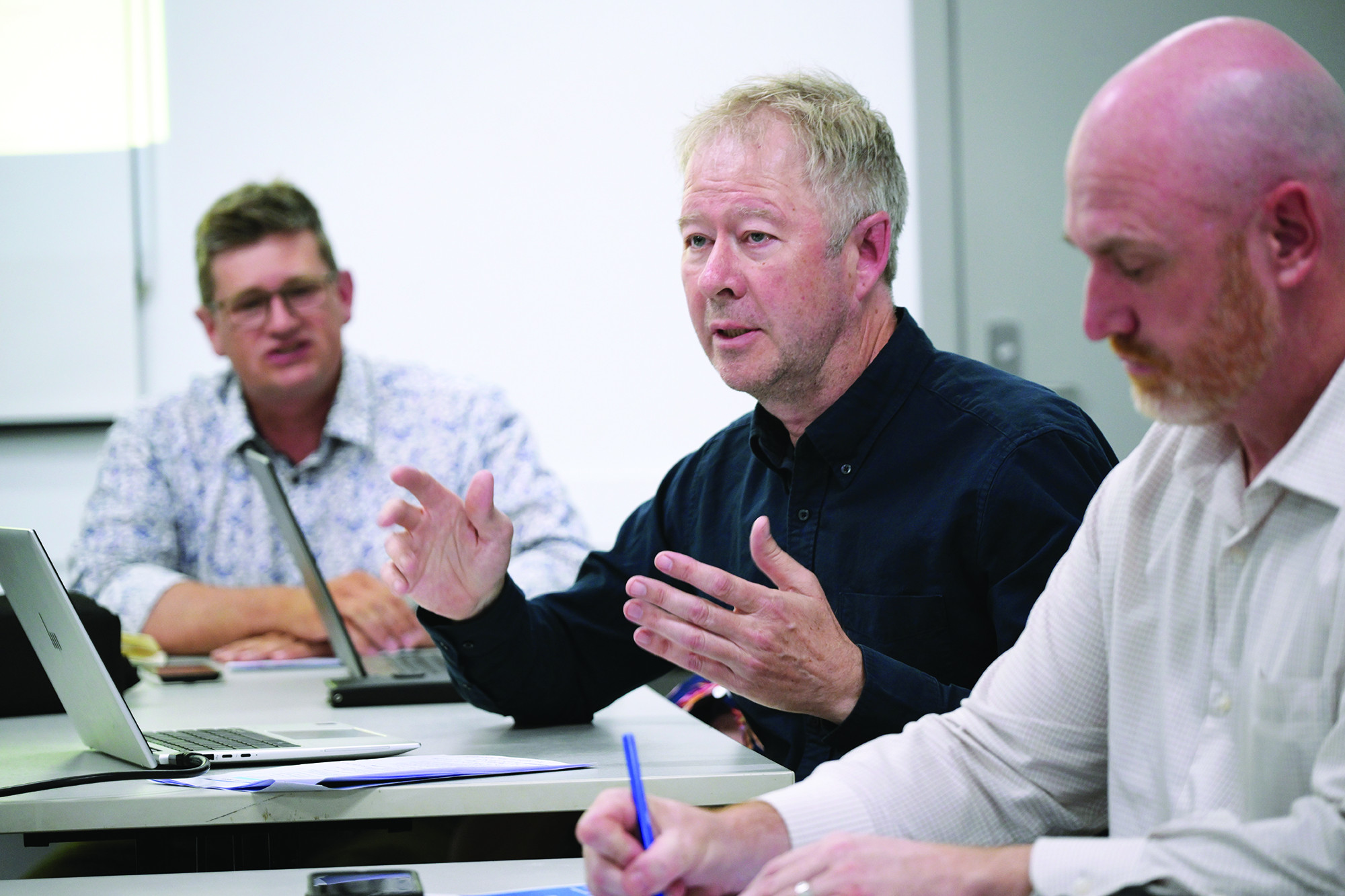
That was the alternative pitched to Department of Premier and Cabinet officials on Monday night when they went public for the first time on latest plans to manage the lake and better protect Aboriginal heritage.
Officials admitted to more than 30 people at the Boort Tourism and Development Committee meeting they were gathering evidence to back up proposed actions in their leaked Impacts on the Lake Boort Cultural Landscape –consultation on managing harmful activities document exclusively reported in the Loddon Herald last week.
Bans on duck shooting, horse riding, dogs, camping and motorised boats and vehicles are part of the plan.
First Peoples - State Relations executive director Matt Lloyd and director heritage services Harry Webber were grilled by farmers, business owners and committee members for more than an hour as the scheduled 15-minute presentation headed into overtime.
Kevin Sutton, a member of the Little Lake Boort committee and retired farm worker, said the best scar trees should be selected for preservation in public reserves around Boort.
Mr Sutton said an earlier move to preserve and display a scar tree at Boort District Health had been approved, fees paid but then halted.
He asked the officials the projected life remaining of scar trees at Lake Boort and said they should also inform decisions for the lake’s future.
Mr Webber said trees had been assessed more than 20 years ago when it was estimated to be “good for 100 years”.
But the meeting was told Lake Boort has been hit with two significant floods since with Mr Webber saying: “We need to take that on notice and have a good idea of how long”.
Margaret Piccoli said the locations of scar trees were difficult to access for tourist and particularly older people. Farmers with land adjoining Lake Boort and the Kinipanyial Creek were scathing of the state of Lake Boort and its maintenance by Parks Victoria.
They said the currently dry lake was full of introduced fleabane grass, a fire risk to Aboriginal scar trees and the town.
Ken Pattison said Parks Victoria’s management of Lake Boort was disgusting and the meeting called for the government agency to be represented at future meetings discussing the Government’s plans. “If you come back, please bring representatives of organisations, Parks (Victoria),” said Ian Potter.
Mr Webber said there was no “locked in” timeframe for the latest plan that had come out of the 2018 Lake Boort Management Plan.
But he was questioned by Sophia Piccoli on who would have the final say. “Is it our community getting the last say over Dja Da Wurrung. No. This could effect the little lake too”.
Mr Webber and senior policy officer Jane Selkirk confirmed talks had been held with sporting shooter and duck hunting organisations, Dja Dja Wurrung, North Central Catchment Management Authority, Goulburn Murray Water and Loddon Shire before Monday’s meeting with the community committee.
Committee president Bradley Haw said the presentation marked phase one of talks.
Mr Webber said the department would return gathering evidence and feedback on impacts to the lake’s Aboriginal heritage.