Agriculture
25 March, 2026
Farmers geared for sowing as fuel fears rise, rain falls
SOIL on Loddon farms has had a handy soaking after rain overnight last week
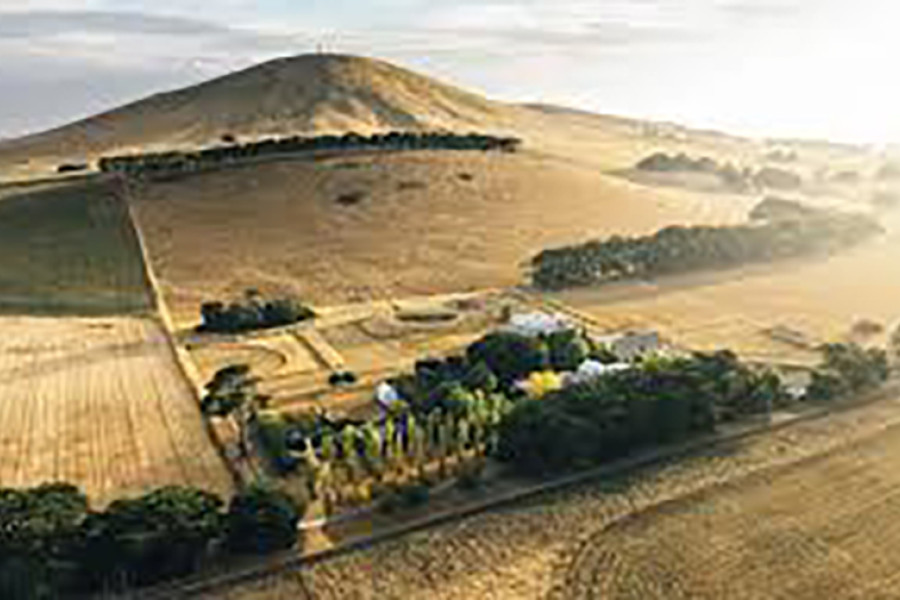
In contrast to a fortnight ago when heavier falls up to 200mm were in northern areas, the latest rains were mainly in central and southern areas.
Pyramid Hill’s Nev Miller said he had tipped 6mm out of the gauge Tuesday morning.
“The rain up here a fortnight ago really helped replenish sub-soil moisture and this has been a nice top up. We really didn’t need any more around here at the moment,” he said.
Farmers across the shire are busy spraying paddocks ahead of sowing new crops.
But ongoing conflict in the Middle East has seen Australian fuel prices jump more than 25 per cent and sparked a rush at bowsers.
Wedderburn’s service station was without diesel over the weekend after earlier applying a limit on purchases.
Some Loddon service stations are only receiving a third of normal deliveries, the Loddon Herald has been told.
The fuel shortage has seen Victorian Farmers’ Federation urge Melbourne people to “ditch the car” to help rural communities. President Brett Hosking said fuel shortages affect rural communities very differently to metropolitan households, where farming operations rely solely on critical fuel to grow their products.
“For most Victorians, a fuel shortage means cancelled plans, longer queues and a tighter weekly budget,” Mr Hosking said.
“For farmers, timing is everything. Farming runs on narrow weather windows, and if the tank is empty at the wrong moment you can’t just wait for prices to settle, you lose the opportunity, and sometimes the entire crop.
“Keeping farmers moving is in everyone’s interest. Victorian farmers grow almost a quarter of Australia’s food and feed millions more across the globe.
“If just one in five Victorian car commuters shifted to public transport, the fuel saved would be enough to plant roughly half of Australia’s wheat, barley, canola and lentil crops.
“A little would go a long way. Even taking one or two trips a week on the train, tram or bus instead of driving can leave more fuel in the system for the jobs that keep supermarket shelves stocked,” he said.